Astronomer · Exoplanet Scientist
Assistant Research Professor
Dept. of Astronomy & Steward Observatory, The University of Arizona
My team directly images and characterizes exoplanets and planet-forming systems around nearby stars — from protoplanets embedded in dusty disks to Earth-analog planet candidates in habitable zones.
Research
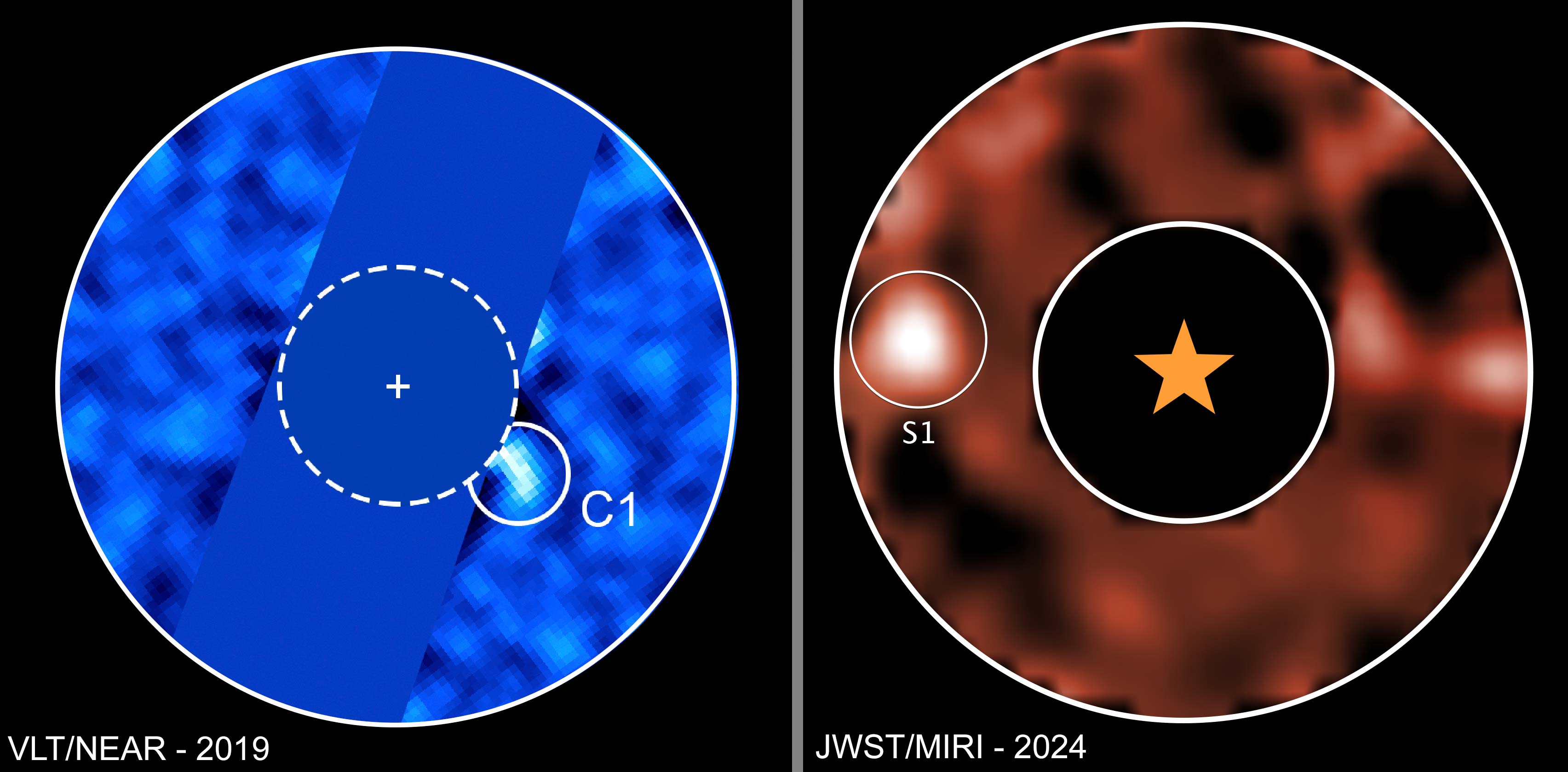
My central objective is to directly image and characterize Earth-analog planets in the habitable zones of nearby sun-like stars — particularly Alpha Centauri. Our team first identified a giant planet candidate orbiting Alpha Cen A in 2019 (published 2021), and obtained supporting JWST observations in 2024 (published 2025). Characterizing this candidate — and eventually searching for smaller, rocky planets — is a primary focus of my current work.
My team studies how planets form by directly imaging protoplanets and disk structures around young stars. Highlights include identifying accretion onto PDS 70b — one of the first confirmed protoplanets — and linking spiral disk structures to embedded low-mass companions.
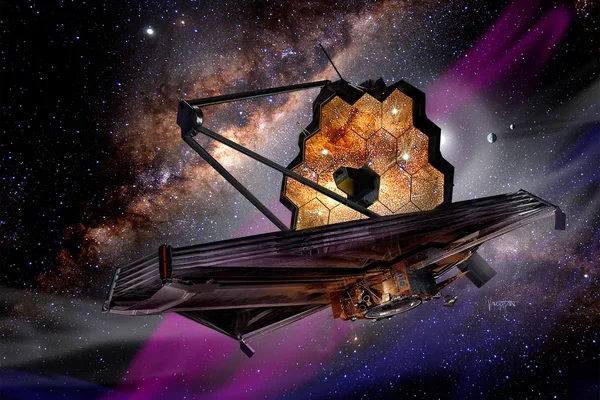
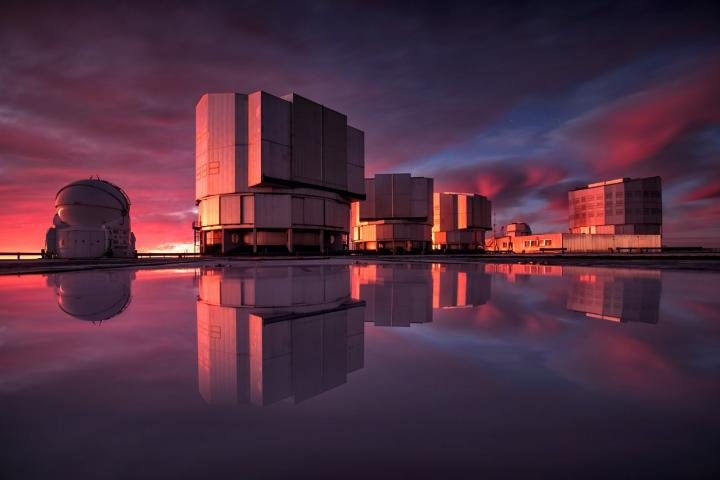
Using LBT, JWST, VLT, and other facilities, my team leads and contributes to high-contrast imaging surveys spanning from characterizing giant planets to searching for rocky planet candidates in nearby habitable zones. Our work includes placing the tightest constraints on planetary companions around Alpha Centauri and characterizing directly-imaged planets across a range of ages and environments.
My team develops instrumentation and techniques to push ground-based high-contrast imaging into the mid-infrared — a wavelength regime where thermal emission from temperate exoplanets peaks and the contrast relative to their host stars improves dramatically. This includes new interferometric and coronagraphic approaches, mid-IR data reduction pipelines, and pathfinder observations that lay the groundwork for direct detection of exoplanets inaccessible at shorter wavelengths.
My team studies the detectability of biosignatures in the context of future direct imaging missions, with connections to the Alien Earths ICAR team and the Arizona Astrobiology Center. Current work includes earthshine observations — using reflected light from Earth to calibrate and test biosignature detection frameworks relevant to future characterization of nearby exoplanets.
We study moons across scales — from solar system to extrasolar. Using LBTI, my team has searched for reflectance from Europa's water vapor plumes and geysers. Looking further afield, a 2025 study explored astrometric methods for detecting exomoons orbiting the Alpha Centauri A planet candidate, finding that a dedicated ~3m space telescope could detect Earth-mass moons within a five-year campaign.
Featured discoveries from these programs:
Alpha Cen Ab (planet candidate) · PDS 70b (accreting protoplanet) · MWC 758c (planet candidate) · HD 100453 (spiral arms) ↓
Our team first identified a giant planet candidate orbiting Alpha Centauri A in 2019, published in Nature Communications in 2021. Follow-up JWST MIRI coronagraphic observations across three epochs in 2024 provided supporting evidence, published in ApJL in 2025 (Beichman+, Sanghi+). At just 4.37 light-years away, confirming this candidate would make it the closest known exoplanet around a sun-like star. This work is ongoing.
2018 · ApJL · Confirmed Haffert+2019
Using MagAO on the 6.5m Magellan Clay Telescope, we detected Hα emission at the location of PDS 70b — one of the first direct detections of active gas accretion onto a forming planet inside a protoplanetary disk gap. The detection was independently confirmed by Haffert et al. (2019) using VLT/MUSE, which also revealed a second accreting protoplanet, PDS 70c.
2015 & 2018 · ApJL
We discovered a two-armed spiral structure in the protoplanetary disk of HD 100453A and identified its M-dwarf companion HD 100453B as the likely driver. Follow-up observations with VLT/SPHERE and MagAO constrained the companion's orbit, confirming that the binary interaction is responsible for the disk's spiral morphology and truncation — a direct observational link between a companion's orbit and disk structure.
2023 · Nature Astronomy
Using the Large Binocular Telescope, we directly imaged a giant planet candidate, MWC 758c, at ~100 au from its host star. This is one of the first cases where a directly imaged protoplanet is spatially coincident with the predicted location of a spiral arm driver — providing observational support for the theory that wide-orbit giant planets can sculpt large-scale disk spiral structure.
Infrastructure


Publications
2025
Worlds Next Door: A Candidate Giant Planet Imaged in the Habitable Zone of α Centauri A Featured
The Astrophysical Journal Letters
2025
The Astrophysical Journal Letters
2023
Direct Images and Spectroscopy of a Giant Protoplanet Driving Spiral Arms in MWC 758
Nature Astronomy
2019
On the Mass Function, Multiplicity, and Origins of Wide-Orbit Giant Planets
The Astrophysical Journal
2018
The Astrophysical Journal Letters

Research Group
My group works at the intersection of high-contrast imaging, instrumentation, and exoplanet science. We are part of the broader Steward Observatory community.
Principal Investigator

Assistant Research Professor
Postdoctoral Researchers

Postdoctoral Researcher
Graduate Students

UA Undergraduates
Volunteers & Visiting Members
Alumni
Now PhD student, UCLA
Now PhD student, University of Hawaii
Major Collaborations
NASA Interdisciplinary Consortia for Astrobiology Research (ICAR) team led by Dániel Apai at the University of Arizona. A multi-institutional, international effort to understand habitable planetary systems and guide future NASA missions searching for life.
A global astronomical program to directly image Earth-like planets around nearby stars, with particular focus on the Alpha Centauri system. The NEAR (New Earths in the Alpha Centauri Region) experiment — a partnership with ESO — enabled the initial 2019 detection of the Alpha Cen planet candidate.
The Giant Accreting Protoplanet Survey — a six-year MagAO Hα imaging campaign targeting the brightest Southern Hemisphere transitional disks. The survey yielded confirmed protoplanets and candidates including PDS 70b, establishing Hα differential imaging as a key tool for detecting actively accreting planets forming inside disk gaps and cavities.
The JWST Early Release Science program for direct imaging and spectroscopy of exoplanetary systems — a program that delivered some of the first high-contrast exoplanet observations with JWST, including the first direct imaging of a confirmed exoplanet at wavelengths beyond 5 microns and evidence for silicate clouds in a planetary atmosphere.
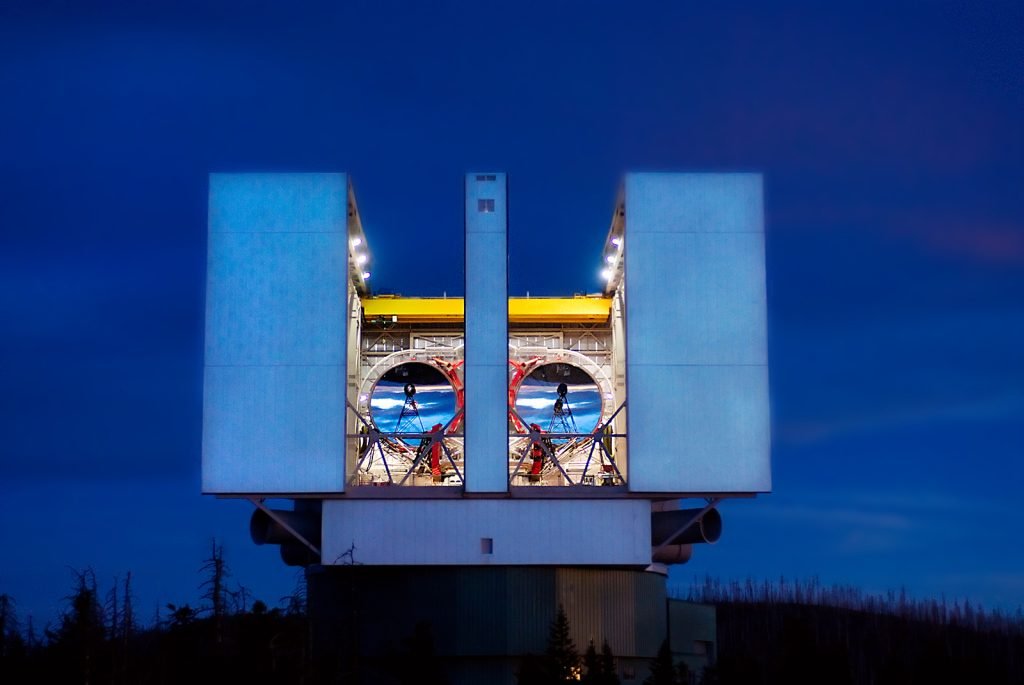
The Large Binocular Telescope Interferometer on Mt. Graham, Arizona — combining two 8-meter telescopes for the world's most powerful ground-based interferometer. Used for high-contrast direct imaging, coronagraphy, and nulling interferometry of nearby planetary systems.
A proposed fleet of dozens of ultralight space telescopes using multi-order diffractive lenses, designed to survey ~1,000 Earth-sized exoplanets for atmospheric biosignatures. Led by Dániel Apai at the University of Arizona with collective light-gathering power equivalent to a ≥50-meter mirror.
NASA's Nexus for Exoplanet System Science — a cross-division initiative bringing together astrophysicists, planetary scientists, Earth scientists, and heliophysicists to investigate the habitability of exoplanets using a systems science approach.

Curriculum Vitae
2020 – 2023
NASA Hubble/Sagan Fellow
University of Arizona
2024 – Present
Assistant Research Professor
University of Arizona
2020
Ph.D., Astronomy & Astrophysics
University of Arizona · Advisor: Dr. Dániel Apai
2017
M.S., Astronomy
University of Arizona
2015
B.S., Astrophysics · B.S., Mathematics · B.S., Physics
University of Cincinnati · Triple major · Graduated with Honors (GPA 3.8) · Advisor: Dr. Michael Sitko
Breakthrough Watch / LBTI
$2.75M · Direct imaging of exoplanets in the habitable zones of nearby stars
NSF / ATI
$836K · National Science Foundation Advanced Technologies and Instrumentation
NASA / XRP
$745K · NASA Exoplanet Research Program
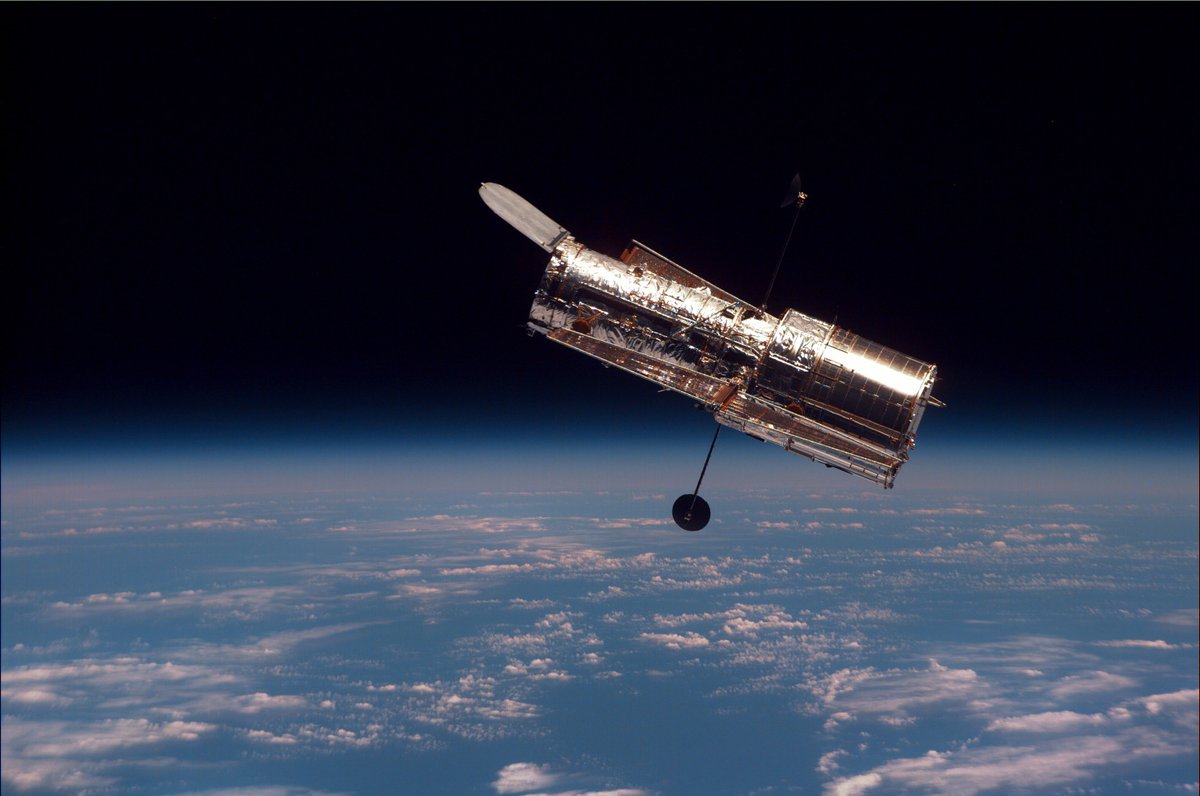
HST / JWST GO Programs
$521K · Hubble & James Webb Space Telescope Guest Observer programs
Hubble/Sagan & NSF Fellowships
$450K · NASA Hubble Fellowship (Sagan Track) · NSF Graduate Research Fellowship
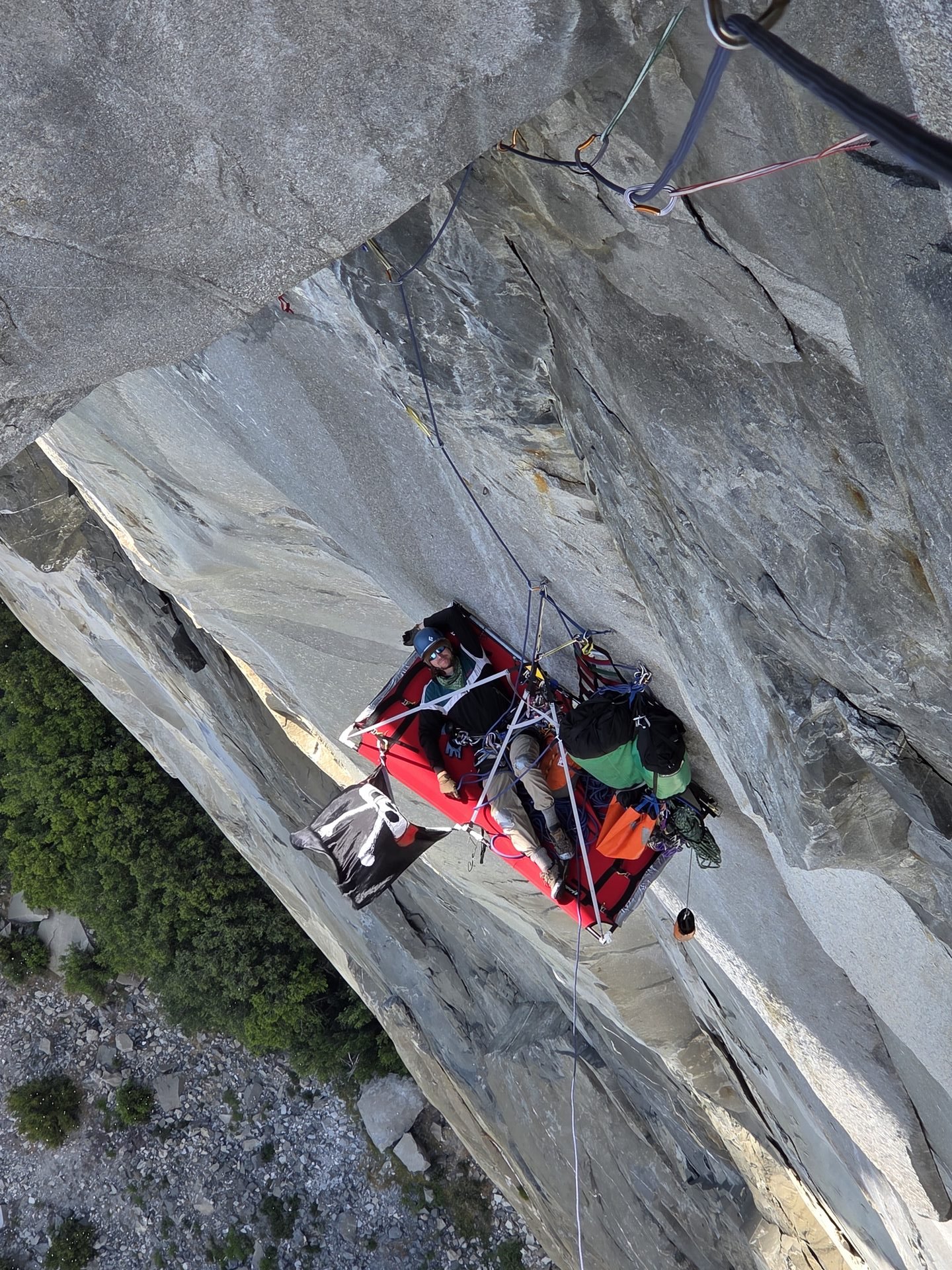
Rock Climbing
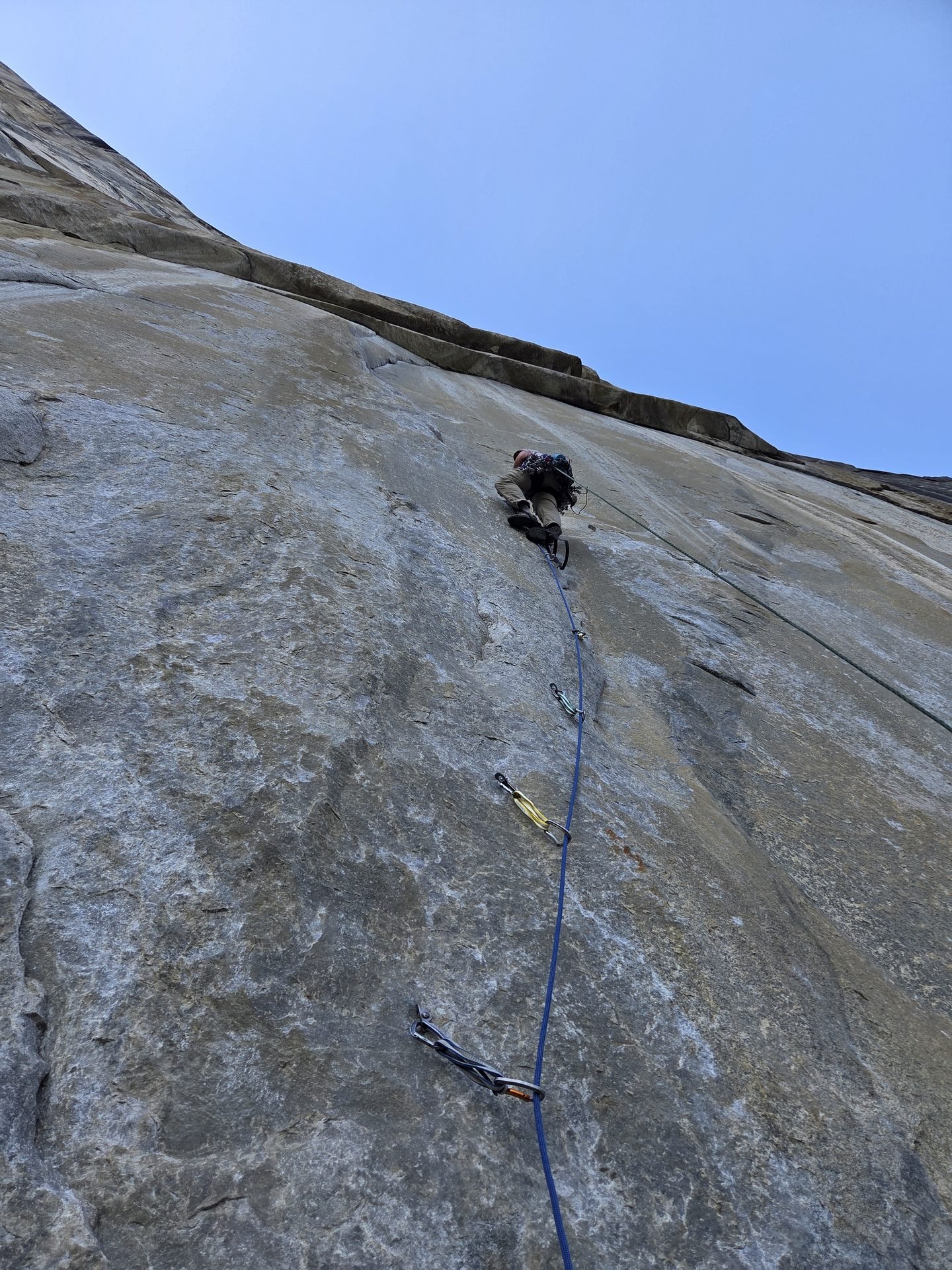
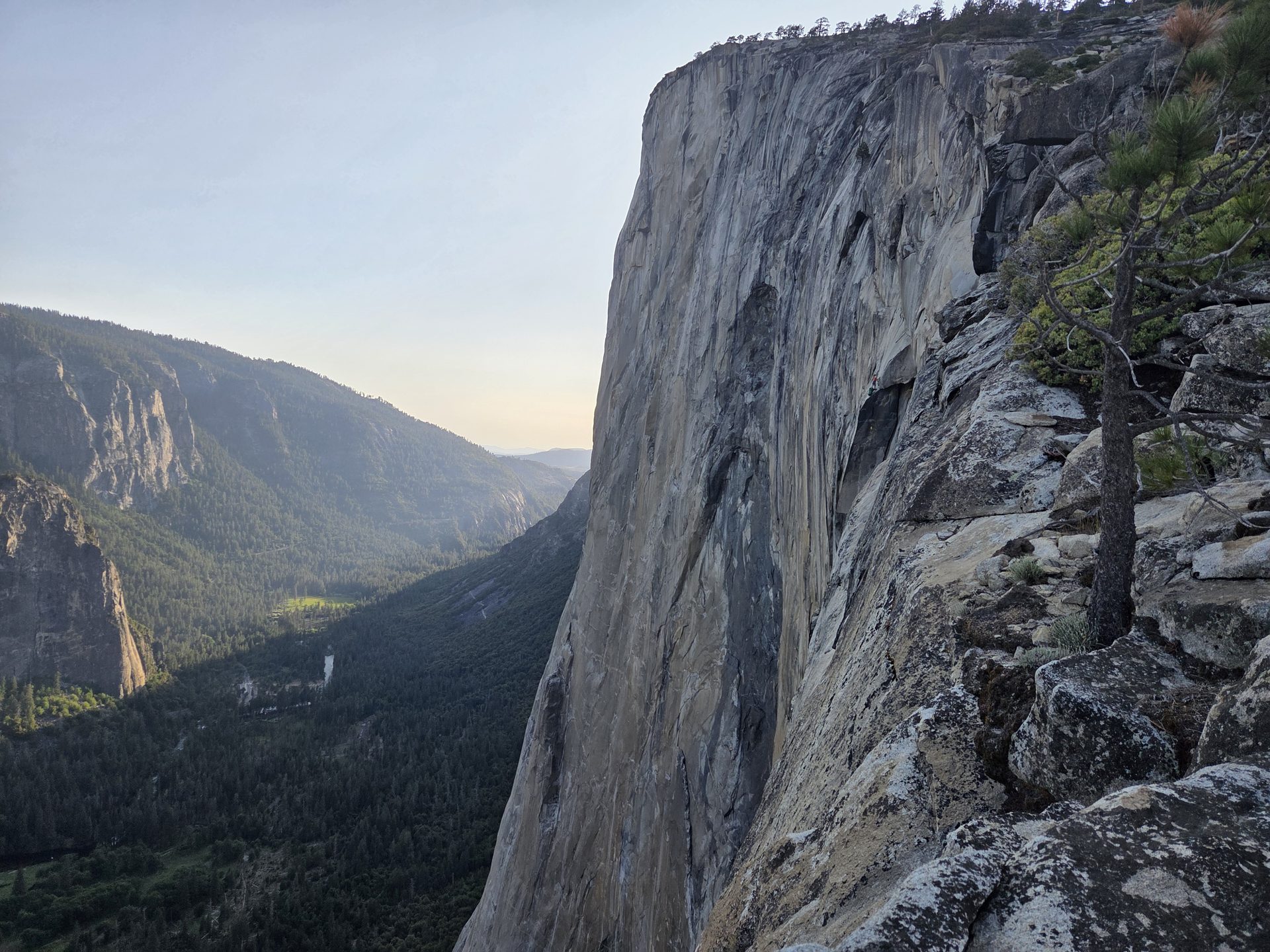
Avid climber and route developer in Southern Arizona. Led the first ascent of Void of Form — a 1,000 ft multi-pitch in the Santa Catalina Mountains.
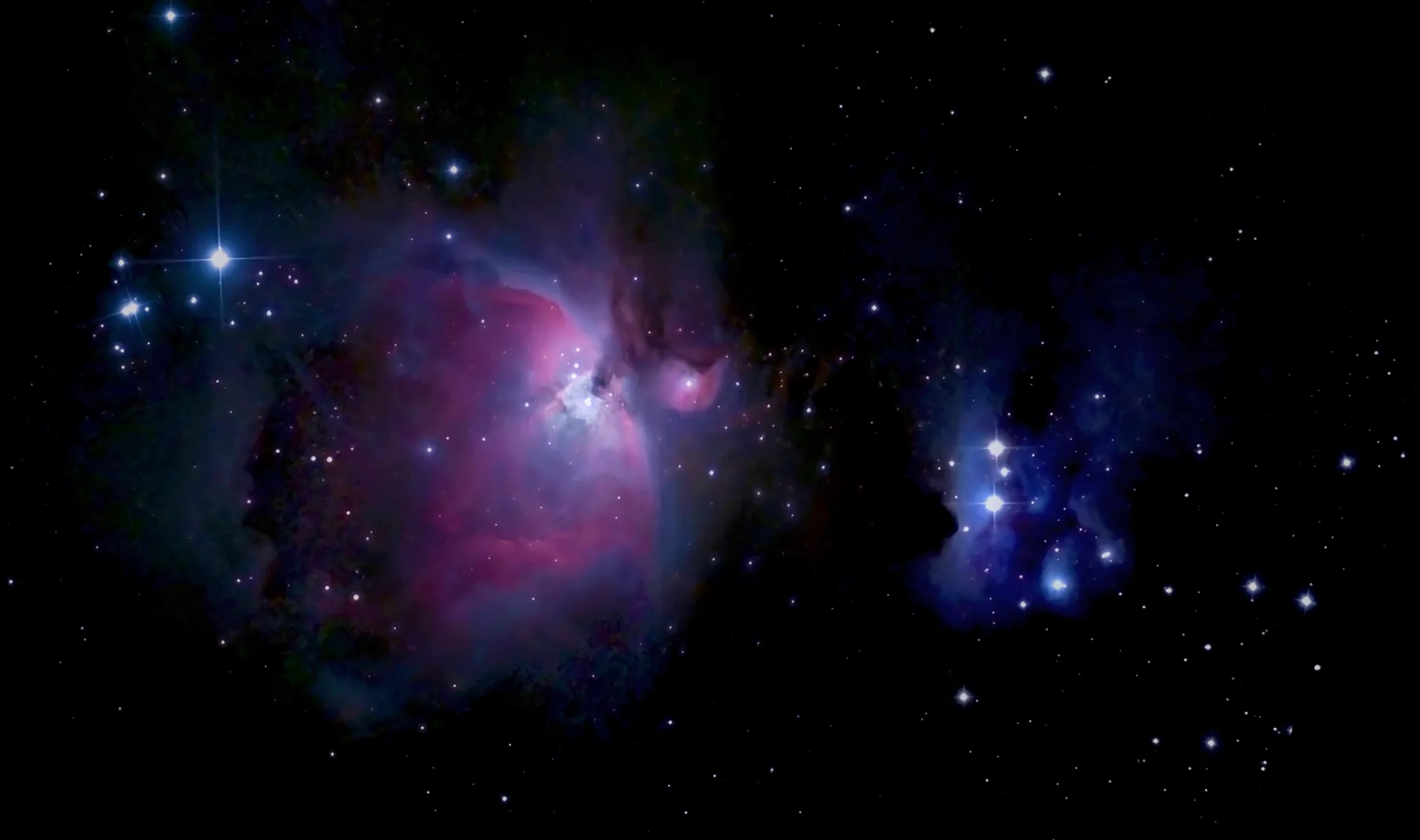
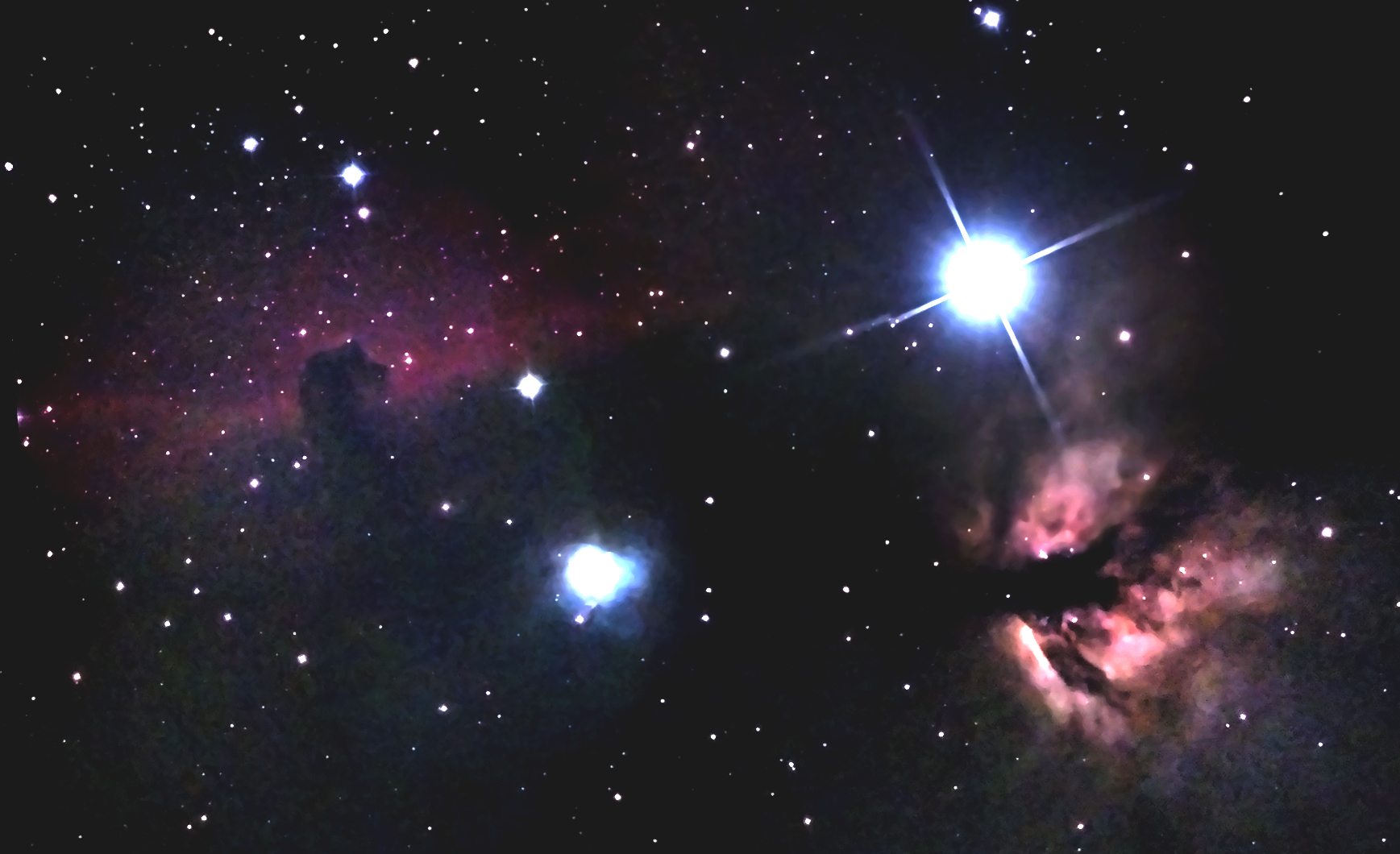
Astrophotography
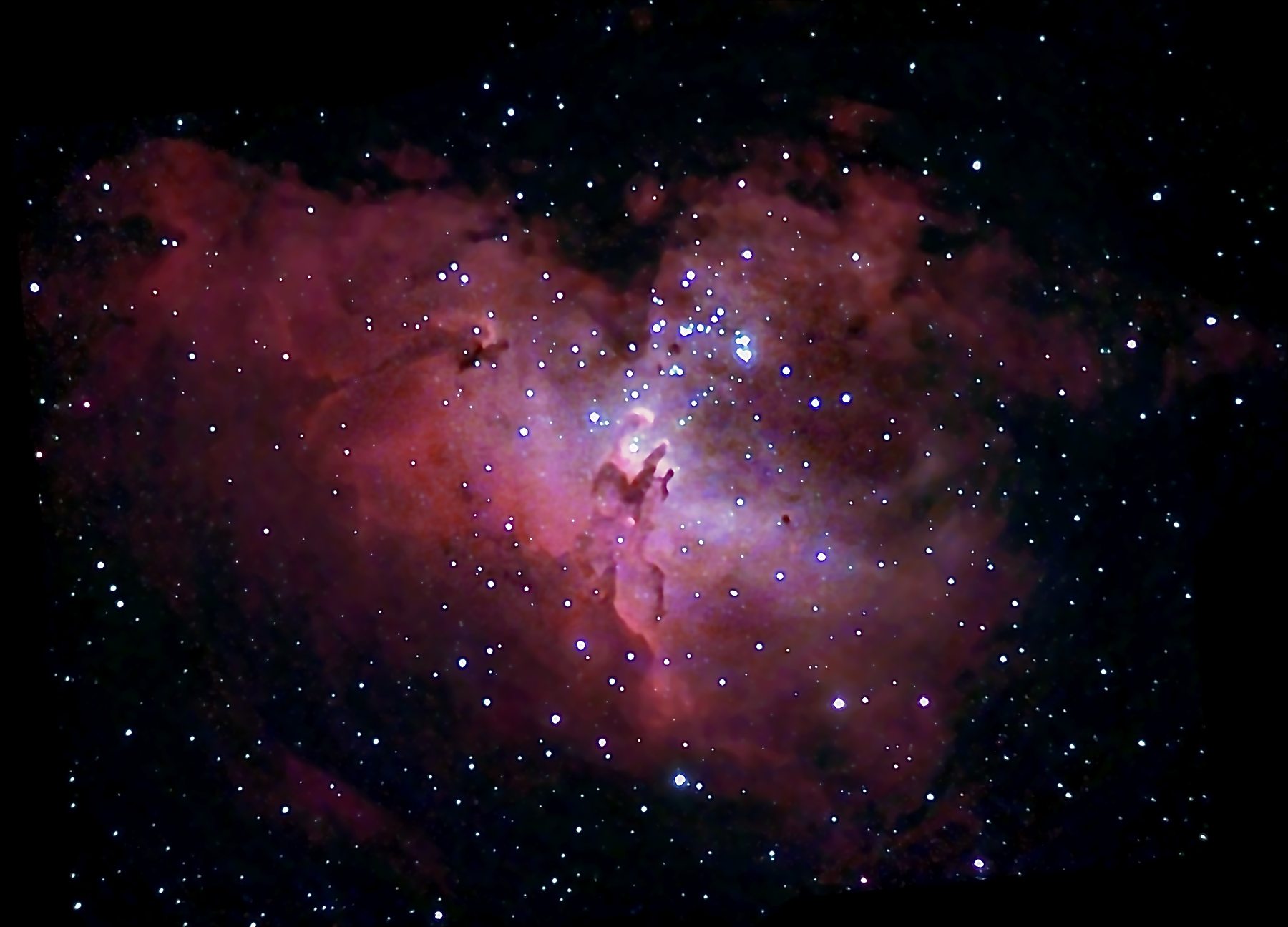
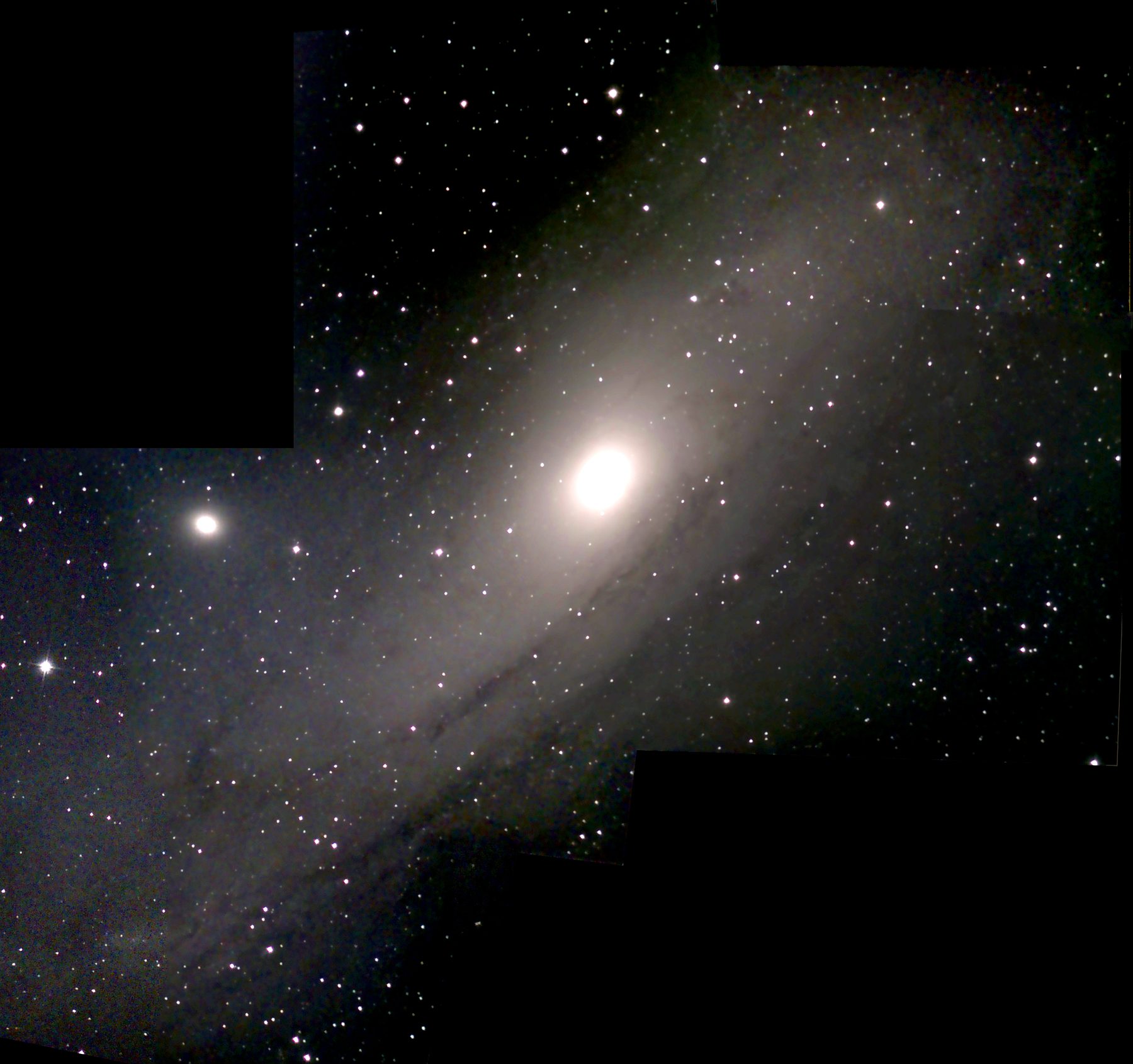
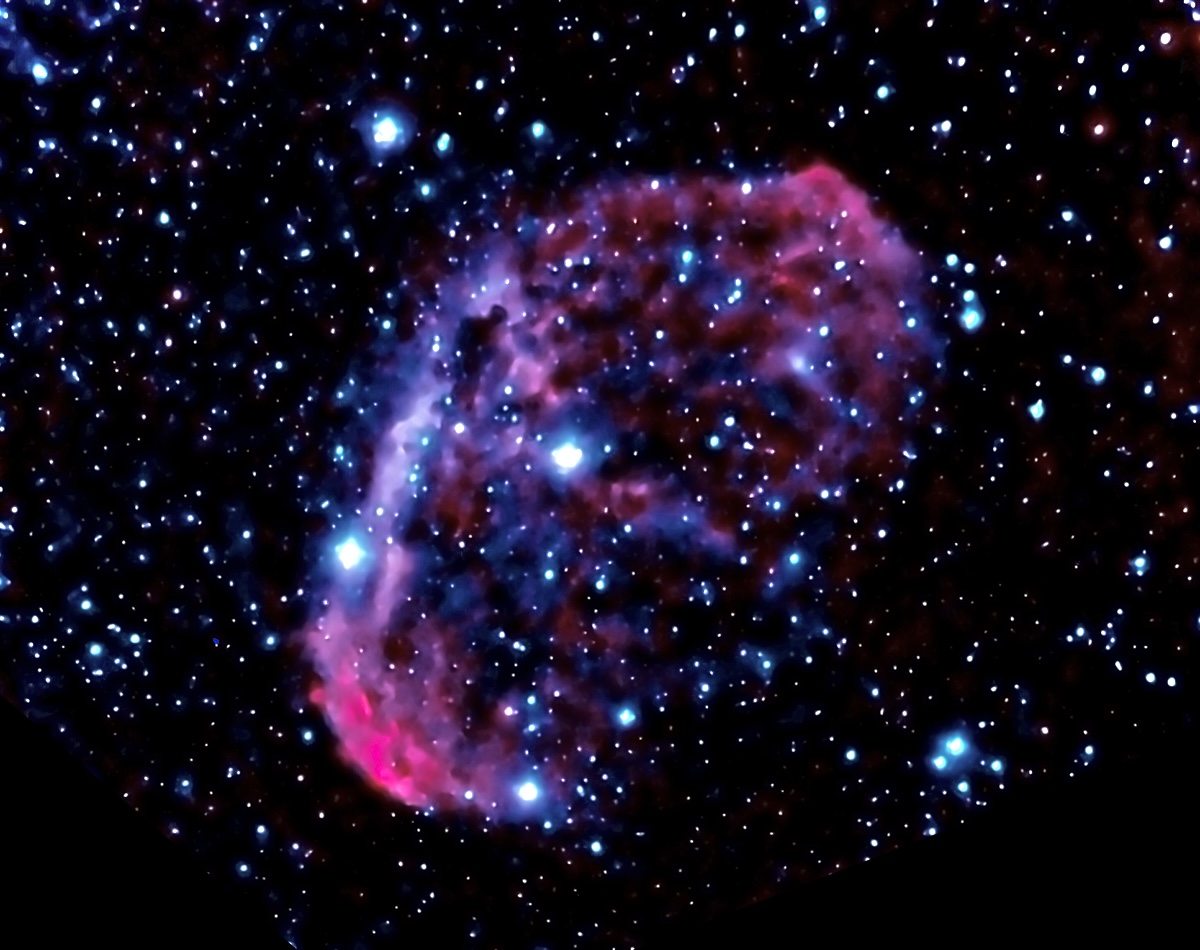
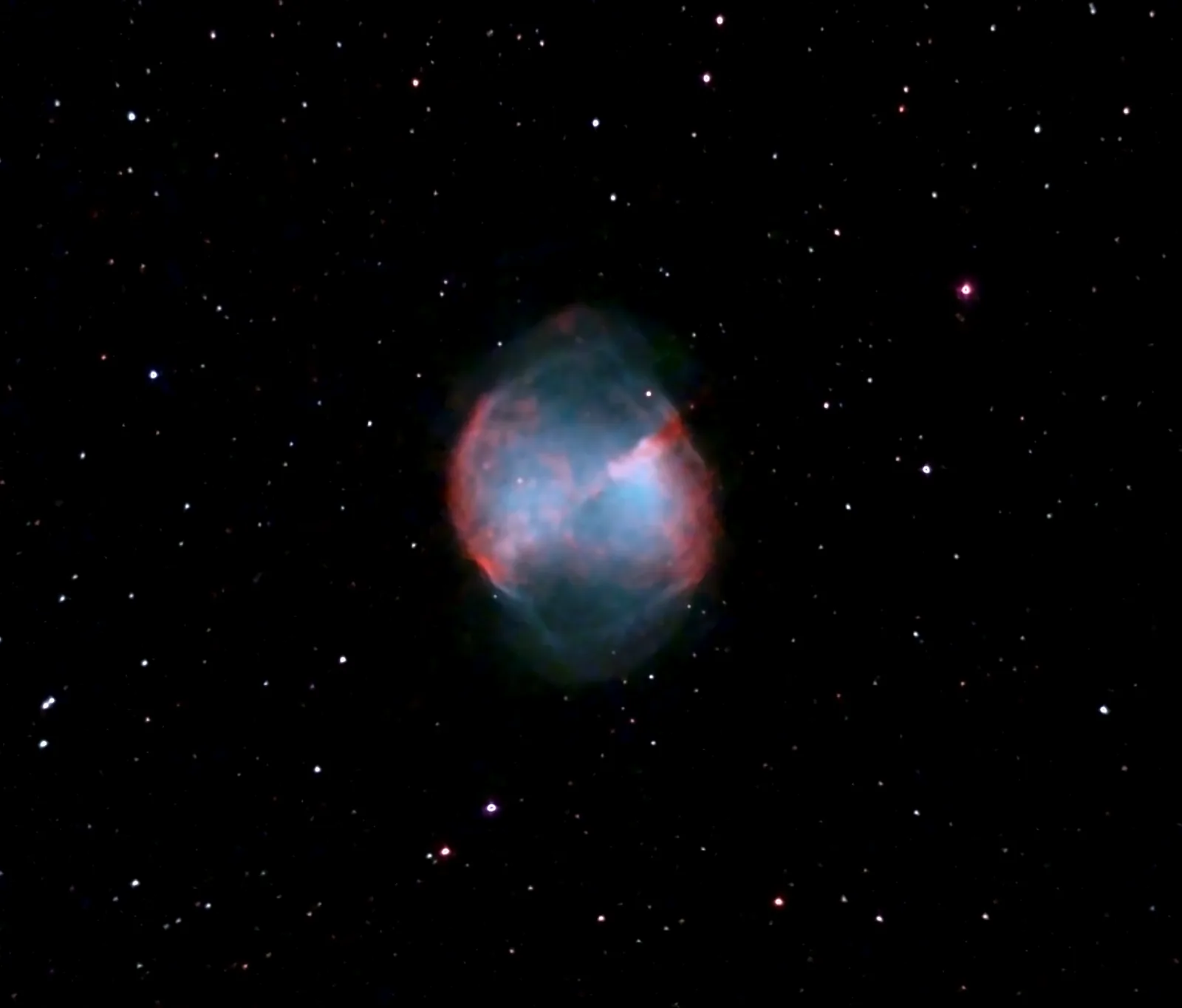
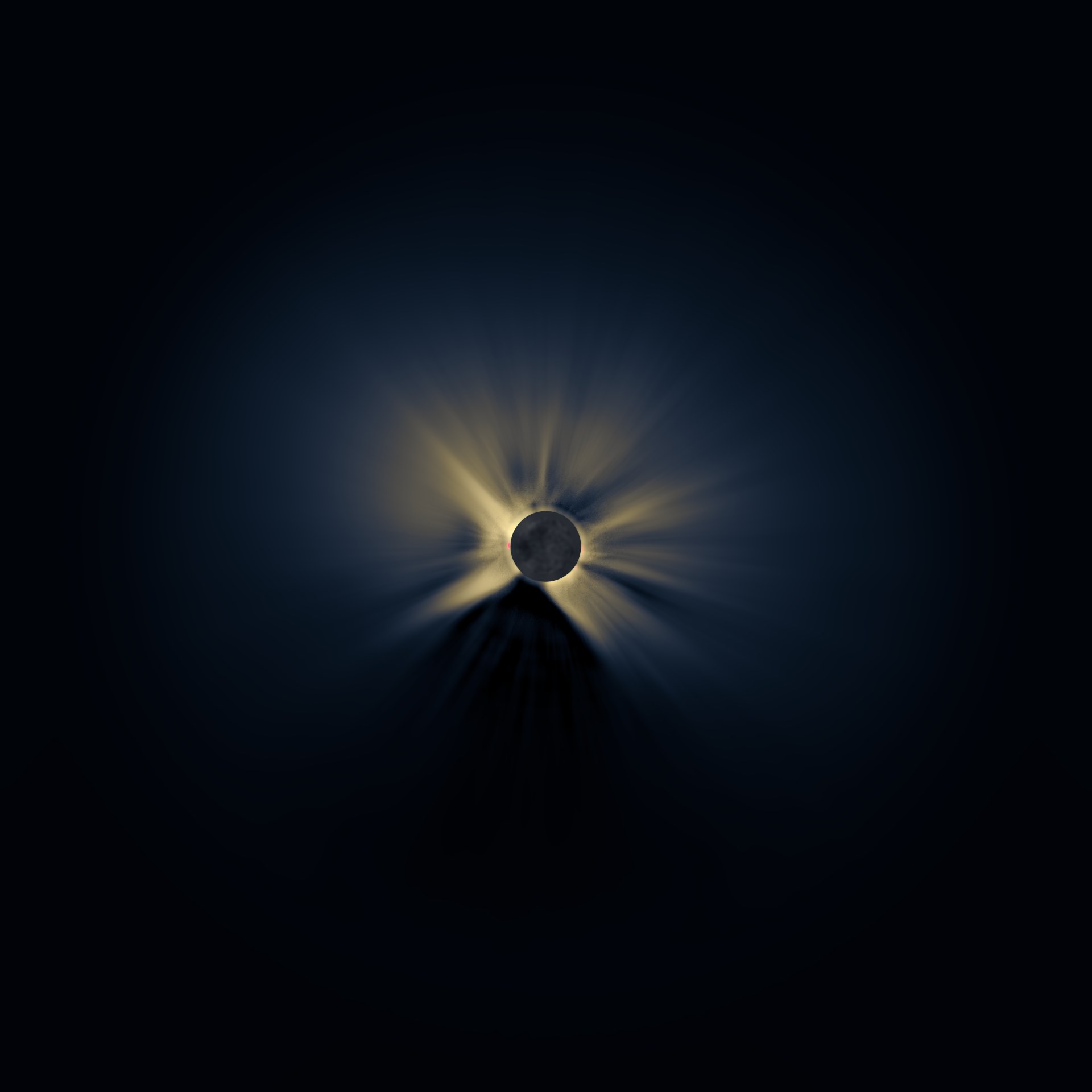
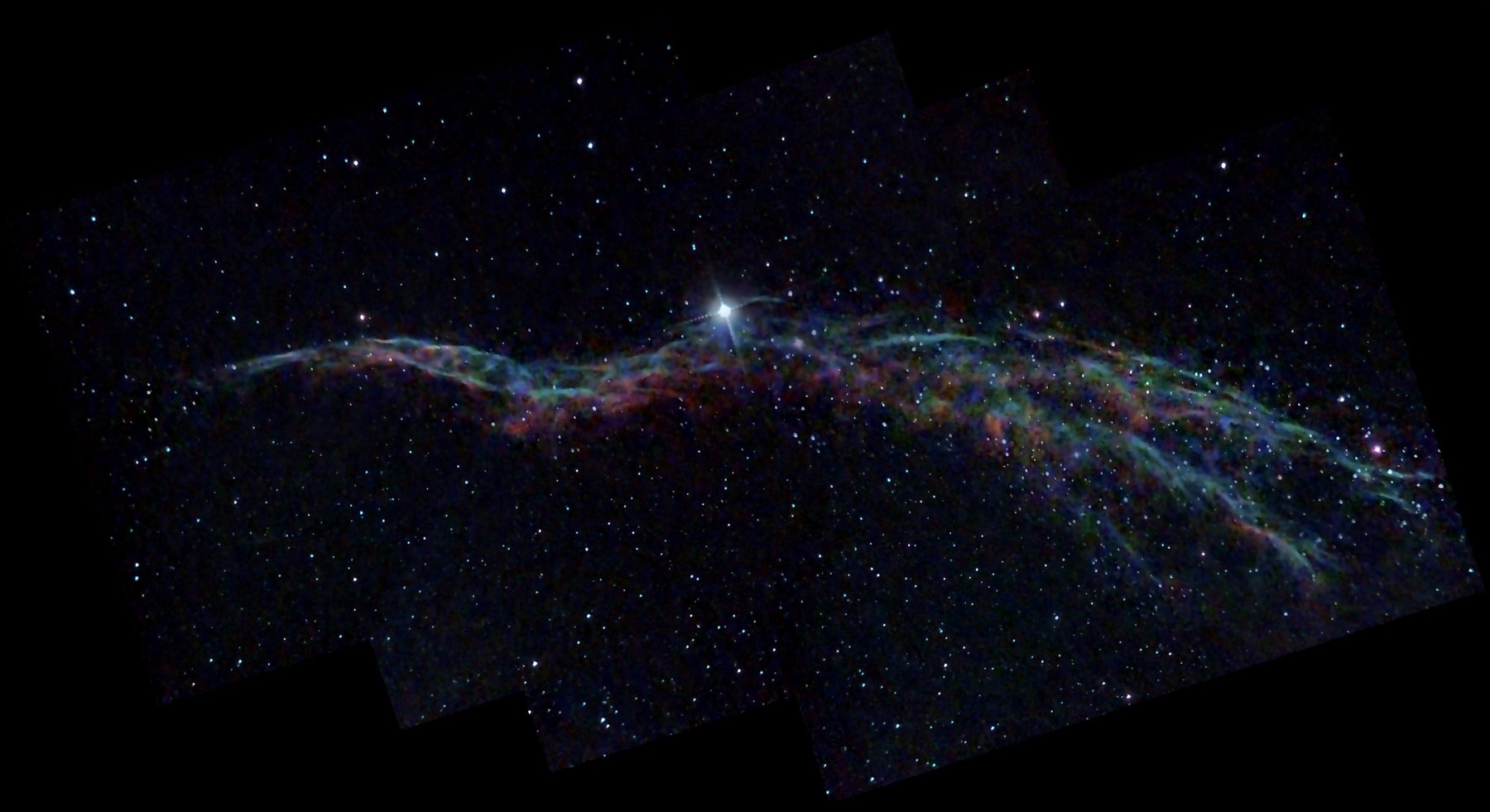
Deep-sky imaging of nebulae, galaxies, and star clusters under Tucson's dark skies, as well as wide-field Milky Way and observatory landscapes from sites around the world.
Early Astronomy
Started astronomy at the Cincinnati Observatory with an 1845 Merz & Mahler refractor.

Open Source
Publicly available code from my research programs. All repositories are on GitHub.
An automated data reduction pipeline for VLT/SPHERE high-contrast imaging data. Handles ADI processing, PSF subtraction, and contrast curve generation.
A simulation framework for the astrometric detection of exomoons orbiting directly imaged planets. Used in the 2025 study of exomoon detectability around the Alpha Cen A planet candidate.
Data processing scripts for LBTI/ALES integral field spectroscopy data on the MWC 758 protoplanetary disk system, supporting the discovery of MWC 758c.


Contact
Prospective Students & Postdocs
I'm always interested in hearing from motivated students and postdocs interested in direct imaging, exoplanet characterization, high-contrast instrumentation, or astrobiology. My group works on cutting-edge programs with JWST, the Large Binocular Telescope, VLT, and future facilities — with a particular focus on the nearest stars and the possibility of Earth-analog planets.
Prospective graduate students should apply through the University of Arizona Department of Astronomy or the Lunar & Planetary Laboratory. Feel free to email me beforehand to discuss fit and current openings.
Get in touch →Whether you're a prospective student, a journalist, or a fellow researcher — feel free to reach out.
On Zodiac, El Capitan, 2025 · Photo: Eric Wesseling